
Blog
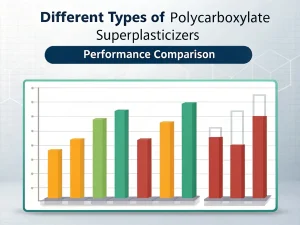
Different Types Of Polycarboxylate Superplasticizers Performance Comparison
Blog Different Types Of P
Blog
Athough polycarboxylate superplasticizer (PCE) is generally considered to have lower hazards than many other industrial chemicals, following proper safety precautions is not only a compliance issue but also a fundamental aspect of professional operations to protect your team, equipment, and the environment.
This article provides a detailed overview of key security measures across storage, operations, and emergency response to support the safe and efficient use of PCE.
Polycarboxylate superplasticizer (PCE) is a high-performance chemical additive widely used in concrete formulations that can improve workability, reduce water consumption, and enhance strength. PCE is a water-based polymer (usually with a solid content of 20% -40%) with a pH range of 6-8 (neutral to weakly acidic).
Although it is not flammable, improper operation may cause irritation problems. Compared with traditional water-reducing agents such as naphthalene-based agents, polycarboxylate superplasticizer is more environmentally friendly, but due to its chemical composition, it still poses risks, such as skin and eye irritation.
The most critical safety precaution before opening a polycarboxylate superplasticizer bucket is to find, read, and understand the product’s Safety Data Sheet (SDS), formerly known as the Material Safety Data Sheet.
SDS is a standardized document provided by manufacturers, which includes comprehensive information on the following aspects:
Hazard identification
First aid measures
Handling and Storage Instructions
Personal protective equipment (PPE) recommendations
Physical and chemical properties
Disposal precautions
The main risks of PCE come from skin contact, eye contact, or inhalation of droplets (generated during the mixing process), and wearing appropriate protective equipment is the first line of defense:
Eye protection: Wear chemical splash goggles or a face shield to prevent PCE from entering the eyes and causing redness, tearing, or blurred vision.
Skin protection: Gloves: Wear waterproof, chemically resistant gloves, such as nitrile or chloroprene rubber. Avoid wearing cloth gloves as they can absorb liquids and adhere tightly to the skin.
Clothing: Wear long-sleeved shirts and pants to cover arms and legs. For tasks that may splash, chemical-resistant aprons or work clothes should be worn.
In most well-ventilated standard use cases, respiratory protection is not required because PCE has low volatility.
When do we need it? If you work in a poorly ventilated confined space or if PCE is sprayed or atomized to produce a thin mist, respiratory protection (such as N95 masks) may be necessary. For specific recommendations, please refer to the product’s SDS.
Wear chemical-resistant boots to prevent leaked PCE from seeping into the footwear.
Tip: Before each use, check whether the protective equipment is damaged—small holes can cause skin contact.
Improper storage of PCE may lead to chemical degradation, contamination, or accidental leakage, and the following guidelines should be followed:
Temperature control: Store PCE in a cool, dry place (10-30 ℃/50-86 ℉), avoiding direct sunlight and sources of heat (such as heaters and engines). High temperatures can damage the polymer structure and reduce its effectiveness.
Container sealing: Store PCE in the original packaging container, tightly seal the lid, and keep the label. Do not store in unmarked containers; if mixed with other chemicals, such as acids or bases, it may cause dangerous reactions.
Isolation of incompatible substances: Although PCE is generally stable, it should be kept away from strong acids, strong bases, and oxidants (such as chlorine-containing cleaning agents). Mixing with these substances may alter PCE performance or release harmful gases.
Shelf-life management: Check the shelf life of PCE. Expired PCE may result in delamination or failure, and continued use may lead to excessive concrete mixing.
PCE is usually added in liquid or powder form during the concrete mixing stage, and the following safety points should be noted during this process:
Dilution safety (if dilution is required): Some liquid PCE is concentrated and needs to be diluted with water. Be sure to slowly add PCE to the water (rather than adding water to PCE) to prevent splashing. The stirring speed should not be too fast to avoid droplet formation.
Quantitative addition: Use a metering pump or calibration container to add PCE to the concrete mixture. Excessive dosage can lead to concrete segregation (aggregate separation), while insufficient dosage reduces workability; in both cases, material waste and increased rework risk result.
Ventilation requirements: Ensure good ventilation in the mixing plant or mixing area by opening windows, turning on exhaust fans, or working outdoors to disperse potential gases or droplets and reduce inhalation risks.
Leak-prevention measures: Place a liquid-receiving tray under the container to prevent overfilling. A small amount of leakage should be cleaned immediately with absorbent materials (such as sand or vermiculite); do not rinse with water to avoid spreading chemicals into the sewer or soil.
Although PCE has lower toxicity than traditional water-reducing agents, significant leakage may still pose a threat to aquatic life, and the environment needs to be protected through the following measures:
Do not discharge into sewers: Do not pour unused PCE or flushing water into sewers, rainwater wells, or soil. Waste must be disposed of through qualified chemical waste disposal facilities and comply with local regulations (such as EPA guidelines in the United States and REACH regulations in the European Union).
Leakage control: When a large amount of leakage occurs, use oil containment booms or adsorption barriers to prevent chemicals from flowing into the water source. If the leaked material enters the sewer or a natural water body, the environmental protection department should be notified immediately.
Reduce waste: Accurately calculate PCE dosage to avoid excess. If unused PCE is within its shelf life, it needs to be returned to its original container for future use.
Even with proper protection, accidents may still occur, and it is necessary to master the coping methods for common exposure scenarios:
Eye contact: Immediately rinse the eyes with clean water for 15-20 minutes, spreading the eyelids during the process. If the stimulation persists, seek medical attention promptly.
Skin contact: Remove contaminated clothing and rinse the skin with soap and water for 10 minutes, avoiding rubbing to prevent further irritation. If there is a rash or burning sensation, consult a doctor.
Inhalation: Move the victim to a well-ventilated area. If breathing is difficult, oxygen should be administered only by an operator with the necessary qualifications, and emergency medical assistance should be sought immediately.
Ingestion: Do not induce vomiting, rinse your mouth with water, and drink plenty of water. Bring the PCE container label to seek medical attention promptly for a doctor’s reference.
Misconception 1: “Polycarboxylate superplasticizer is non-toxic and does not require wearing protective equipment. ”
Truth: Although PCE is less harmful than some chemicals, it may still cause skin and eye irritation, and protective equipment must be worn to avoid long-term exposure risks.
Misconception 2: “Expired Polycarboxylate superplasticizer can still be used, just add more. ”
Truth: Expired PCE may degrade, leading to unstable concrete performance. Compensating for the effect through “adding more” not only wastes materials but may also cause concrete defects.
Misconception 3: Polycarboxylate superplasticizer can be mixed with any concrete additive. ”
Truth: PCE may have adverse reactions with strong acids, strong bases, or certain retarders. Before mixing, check the SDS or consult the supplier to confirm compatibility.
The safety precautions when using polycarboxylate superplasticizer requires a combination of appropriate protective equipment, standardized storage operations, professional personnel training, and other measures. Following these safety precautions can not only protect workers’ health and prevent environmental pollution, but also ensure the stable performance of concrete products.
Remember: even low-toxicity chemicals need to be treated rigorously – continuous safe operation is the key to preventing accidents and ensuring compliance.
Different Types Of Polycarboxylate Superplasticizers Performance Comparison
Blog Different Types Of P

Super Early Strength Polycarboxylate Superplasticizer For Sleeve Grouting Material
Blog Super Early Strength